Insulation and Air Sealing: Where the Money Actually Goes
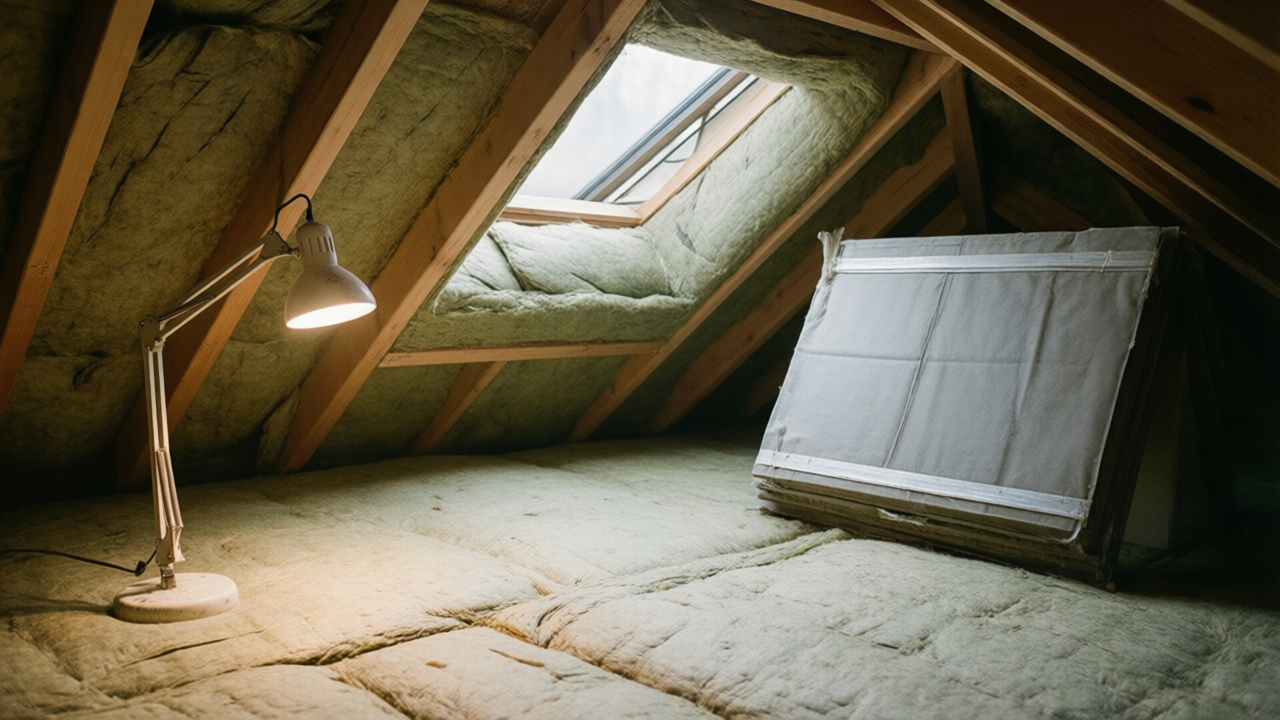
Homeowners looking to reduce energy bills usually think about insulation first. Air sealing is generally the better first move, and it costs considerably less.
Insulation and air sealing solve different problems
Insulation slows heat moving through materials. Air sealing stops air moving through gaps.
Insulation does not stop air movement. Air passing through or around insulation carries heat with it and dramatically reduces the insulation's effectiveness. This is why a home with deep attic insulation and unsealed penetrations still feels drafty and still costs a lot to heat.
Sealing first, then insulating, gets far more from both.
Where the leaks actually are
Attention tends to go to windows and doors, which are visible and rarely the biggest problem. The largest leaks are usually hidden.
- Attic penetrations. Plumbing vents, wiring holes, recessed light fixtures, chimney chases, and the gaps around ductwork. Warm air rises and escapes here continuously.
- The attic hatch or pull-down stairs, frequently uninsulated and unsealed, effectively a hole in the ceiling.
- Rim joists in the basement, where the framing meets the foundation. A significant and commonly ignored source.
- Duct leakage in unconditioned spaces, which delivers conditioned air directly into an attic or crawlspace.
- Plumbing and electrical penetrations through exterior walls, under sinks, and behind appliances.
The stack effect explains the pattern
Warm air rises and escapes through upper leaks, drawing cold air in through lower ones. This is why sealing the attic often improves comfort in a basement, and why the biggest wins come from the top and bottom of the house rather than the middle.
What a homeowner can do directly
- Caulk for gaps under a quarter inch around trim, penetrations, and joints.
- Expanding foam for larger gaps around pipes and wiring, using fire-rated foam near chimneys and flues.
- Weatherstripping on doors and operable windows.
- Rigid foam and sealing on the attic hatch.
- Foam gaskets behind outlet and switch plates on exterior walls, a small but easy improvement.
Where insulation matters most
Once sealed, insulation pays off in a clear priority order.
- The attic comes first nearly always, because heat loss upward is largest and attic work is the most accessible.
- Basement or crawlspace, particularly rim joists, which is often the second best return.
- Walls are the most disruptive and expensive, generally worth doing during a renovation or siding replacement rather than on their own.
Check existing attic depth against the recommended level for your climate. Many older homes have significantly less than current guidance, and adding depth is straightforward.
Do not seal it too tight without ventilation
A very tight house needs deliberate ventilation to manage indoor air quality and moisture. In substantially tightened homes, mechanical ventilation is not optional. Combustion appliances also require adequate air, and a house tightened without accounting for them can create a dangerous backdrafting situation. This is one reason a professional assessment is valuable before major work.
Find the leaks properly
A blower door test depressurizes the house and reveals exactly where air enters, often with infrared imaging. Many utilities offer subsidized energy audits, and the report converts guesswork into a prioritized list. Paying for measurement before paying for materials is nearly always the better sequence.
The realistic expectation
Air sealing and attic insulation together commonly produce a meaningful reduction in heating and cooling costs, with the comfort improvement often more noticeable than the bill. Rooms stop being drafty, temperatures between floors even out, and the system cycles less. Those comfort gains arrive immediately, while the financial payback accumulates over years.
Article Was Generated By AI.