Preparing a House to Sell: The Work That Pays and the Work That Does Not
Pre-sale advice tends toward renovation, but the highest-return work before listing is usually modest, cosmetic, and cheap.
The reliably worthwhile work
These change how a house is perceived at low cost.
- Deep cleaning, more thorough than routine cleaning. Windows inside and out, baseboards, grout, appliances, light fixtures. Nothing else returns as much per dollar.
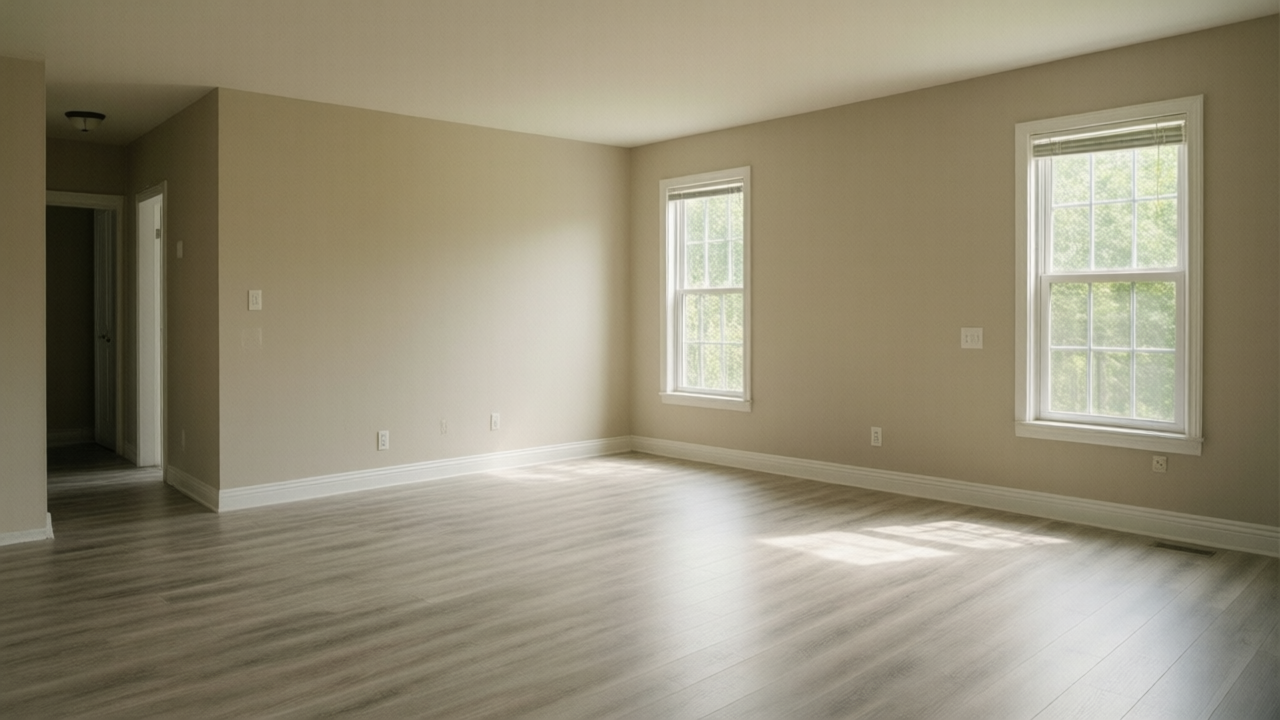
- Decluttering and depersonalizing. Removing roughly a third of furniture and most personal items makes rooms read as larger and helps buyers imagine themselves in the space. Off-site storage during the listing period is cheap by comparison.
- Paint in neutral tones, particularly over bold colors. Fresh paint reads as maintained.
- Curb appeal. Trimmed landscaping, fresh mulch, a clean or repainted front door, working exterior lights. This forms the first impression before anyone walks in.
- Small repairs. Sticking doors, dripping faucets, burned-out bulbs, loose handles, cracked switch plates. Individually trivial, collectively they suggest neglect.
- Light. Higher-wattage bulbs of a consistent color temperature, open blinds, clean fixtures. Dark rooms photograph poorly and feel smaller.
The work that rarely returns its cost
- Major kitchen and bathroom remodels immediately before selling. Large renovations typically return only a portion of their cost, and buyers frequently dislike choices made for their taste by someone else.
- Room additions, which are among the least likely to return their cost on a short timeline.
- Highly personal upgrades such as pools, elaborate landscaping, or distinctive finishes, which narrow the buyer pool as often as they attract.
- High-end appliances in a house whose price point does not support them.
- Full window replacement solely for sale, unless existing windows are visibly failed.
The pattern: buyers pay for the impression of a well-maintained home, not for someone else's design decisions.
The middle ground
Some items sit between, and depend on condition and market.
- Flooring. Worn carpet is a genuine objection. Replacing it with a modest neutral option often pays, while installing premium flooring usually does not.
- Roof and major systems at end of life. These will surface in inspection and become a negotiation. Sometimes better handled with a credit than a replacement, since you will not recover the full cost either way.
- Dated but functional kitchens. Paint on cabinets, new hardware, and updated lighting deliver most of the visual improvement at a small fraction of a remodel.
Handle inspection issues in advance
Anything a buyer's inspector will find becomes leverage. Consider a pre-listing inspection so you learn what is coming and can address the safety items and cheap fixes on your own schedule rather than under time pressure during a contract period.
Fix the safety findings, since they are inexpensive and they alarm buyers disproportionately: handrails, smoke detectors, exposed wiring, missing outlet covers.
Presentation for photographs
Most buyers see the house online first, and the photographs determine whether they visit at all. Professional photography is inexpensive relative to the transaction and consistently worthwhile. Prepare for the shoot as you would for a showing: everything off counters, cars off the driveway, toilet lids down, lights on, blinds open.
Sequence the work
Repairs first, then paint, then deep clean, then declutter and stage, then photograph. Doing it in another order means redoing work, and photographing before the house is fully ready wastes the most important asset in the listing.
Set the right expectation
The purpose of pre-sale work is to remove objections and reduce hesitation, not to increase the price through improvements. A clean, bright, well-maintained house with no obvious deferred maintenance sells faster and negotiates better than an identical house that needs explaining.
Article Was Generated By AI.